Solar system
The planets
Eight very different worlds share our Sun. Compare them, learn how they formed, and see what missions have taught us about each one.
All eight planets
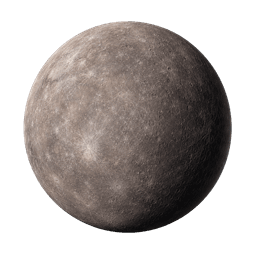
Mercury
rocky
The smallest planet in our solar system and the closest to the Sun.
- Diameter
- 4,879 km
- Distance from Sun
- 58 M km
- Known moons
- 0
- Gravity (Earth = 1)
- 0.38
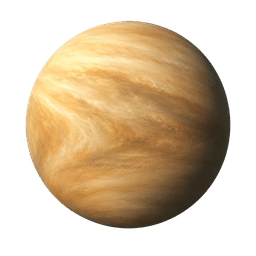
Venus
rocky
A rocky planet slightly smaller than Earth, hidden beneath thick clouds of sulfuric acid.
- Diameter
- 12,104 km
- Distance from Sun
- 108 M km
- Known moons
- 0
- Gravity (Earth = 1)
- 0.91
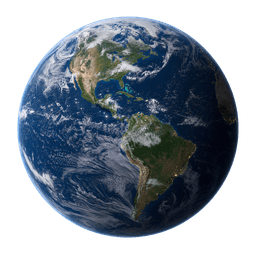
Earth
rocky
The only known world with liquid water on its surface and abundant life.
- Diameter
- 12,756 km
- Distance from Sun
- 150 M km
- Known moons
- 1
- Gravity (Earth = 1)
- 1.00
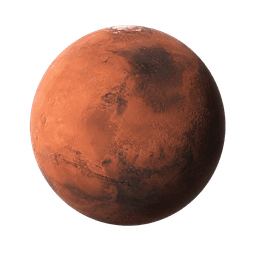
Mars
rocky
A cold desert planet with polar ice, giant volcanoes, and evidence of ancient water.
- Diameter
- 6,779 km
- Distance from Sun
- 228 M km
- Known moons
- 2
- Gravity (Earth = 1)
- 0.38
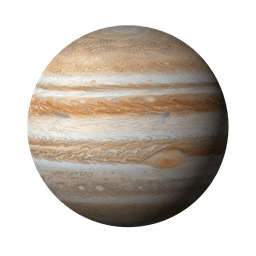
Jupiter
gas giant
The largest planet in our solar system, a swirling giant of hydrogen and helium.
- Diameter
- 139,820 km
- Distance from Sun
- 779 M km
- Known moons
- 95
- Gravity (Earth = 1)
- 2.36
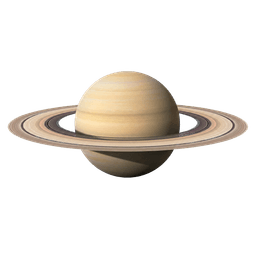
Saturn
gas giant
Famous for its stunning ring system, Saturn is the second-largest planet.
- Diameter
- 116,460 km
- Distance from Sun
- 1,434 M km
- Known moons
- 146
- Gravity (Earth = 1)
- 0.92
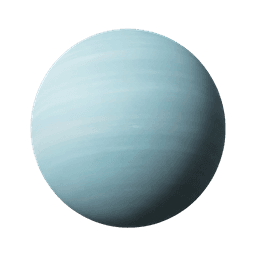
Uranus
ice giant
An ice giant tipped on its side, rotating almost perpendicular to its orbit.
- Diameter
- 50,724 km
- Distance from Sun
- 2,871 M km
- Known moons
- 28
- Gravity (Earth = 1)
- 0.89
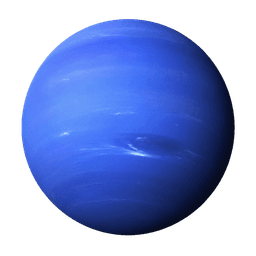
Neptune
ice giant
A deep blue ice giant with the fastest winds recorded in the solar system.
- Diameter
- 49,244 km
- Distance from Sun
- 4,495 M km
- Known moons
- 16
- Gravity (Earth = 1)
- 1.12