Explainers
Astronomy
Deep-dive articles on the objects and processes that make up the Universe: galaxies, stars, nebulae, black holes, and habitable worlds. Each guide keeps evidence and uncertainty visible alongside the plain-language explanation.
Galaxies
Spirals, ellipticals, irregulars, clusters, and our own Milky Way.
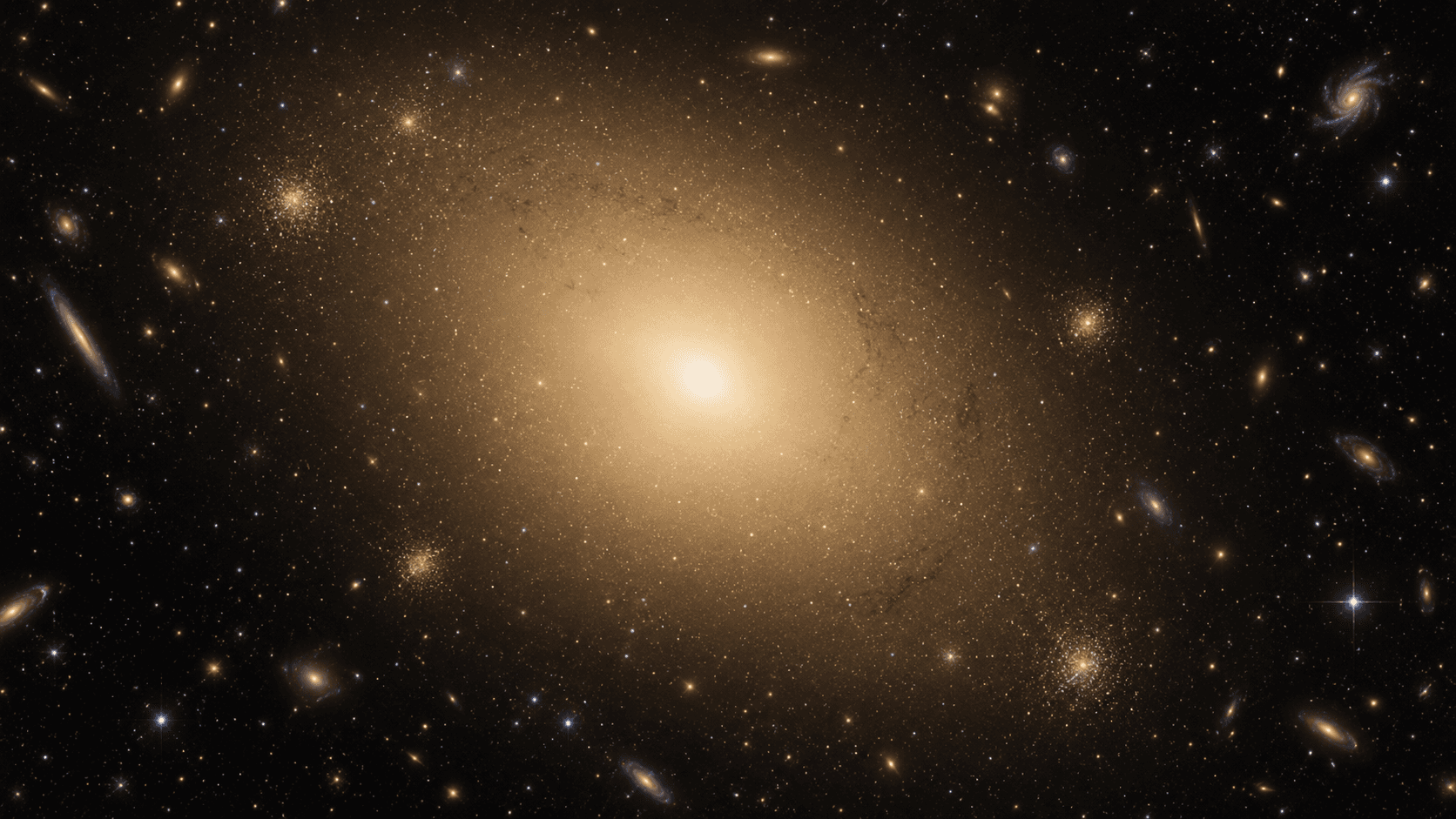
Elliptical Galaxies: Facts, Science and Complete Guide
Learn about elliptical galaxies — rounded stellar systems dominated by older stars, low gas, and evidence from mergers, dynamics, and cluster environments.
8 min read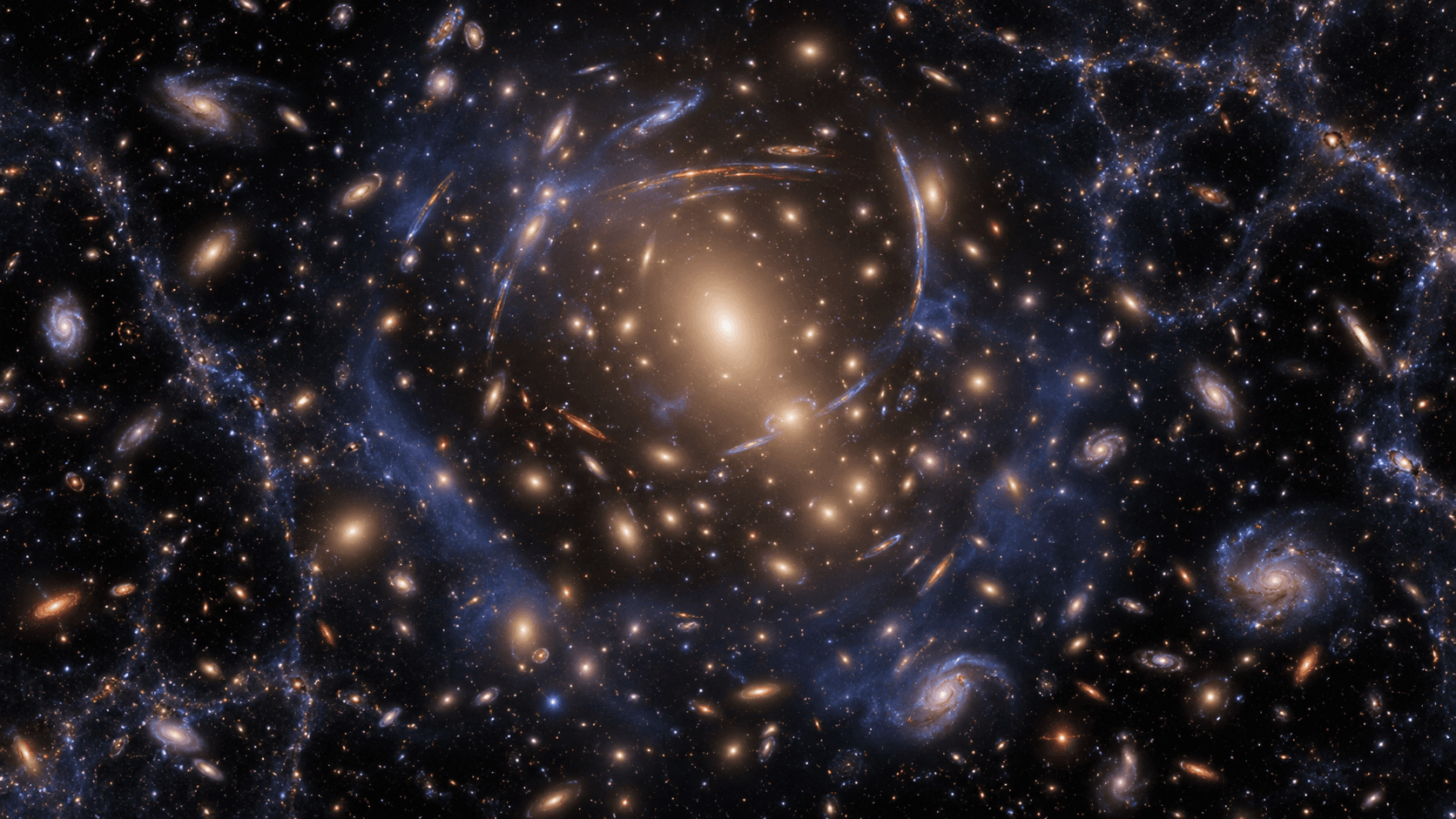
Galaxy Clusters: Facts, Science and Complete Guide
Galaxy clusters — gravitationally bound systems of hundreds or thousands of galaxies, hot intracluster gas, and dominant dark matter.
5 min read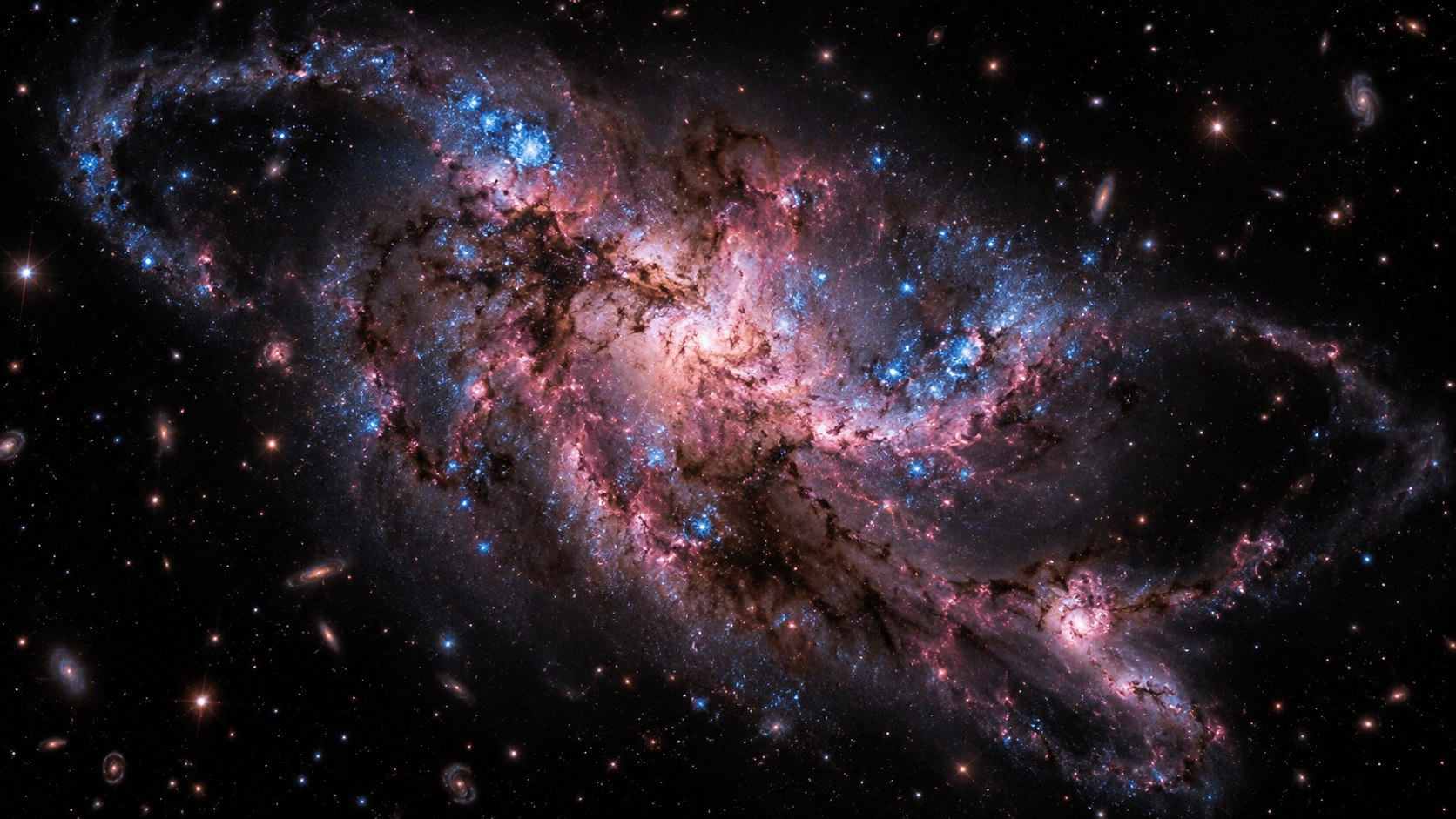
Irregular Galaxies: Facts, Science and Complete Guide
Irregular galaxies lack the orderly spiral or elliptical shape. Many are small, gas-rich, actively forming stars, or distorted by interactions.
4 min read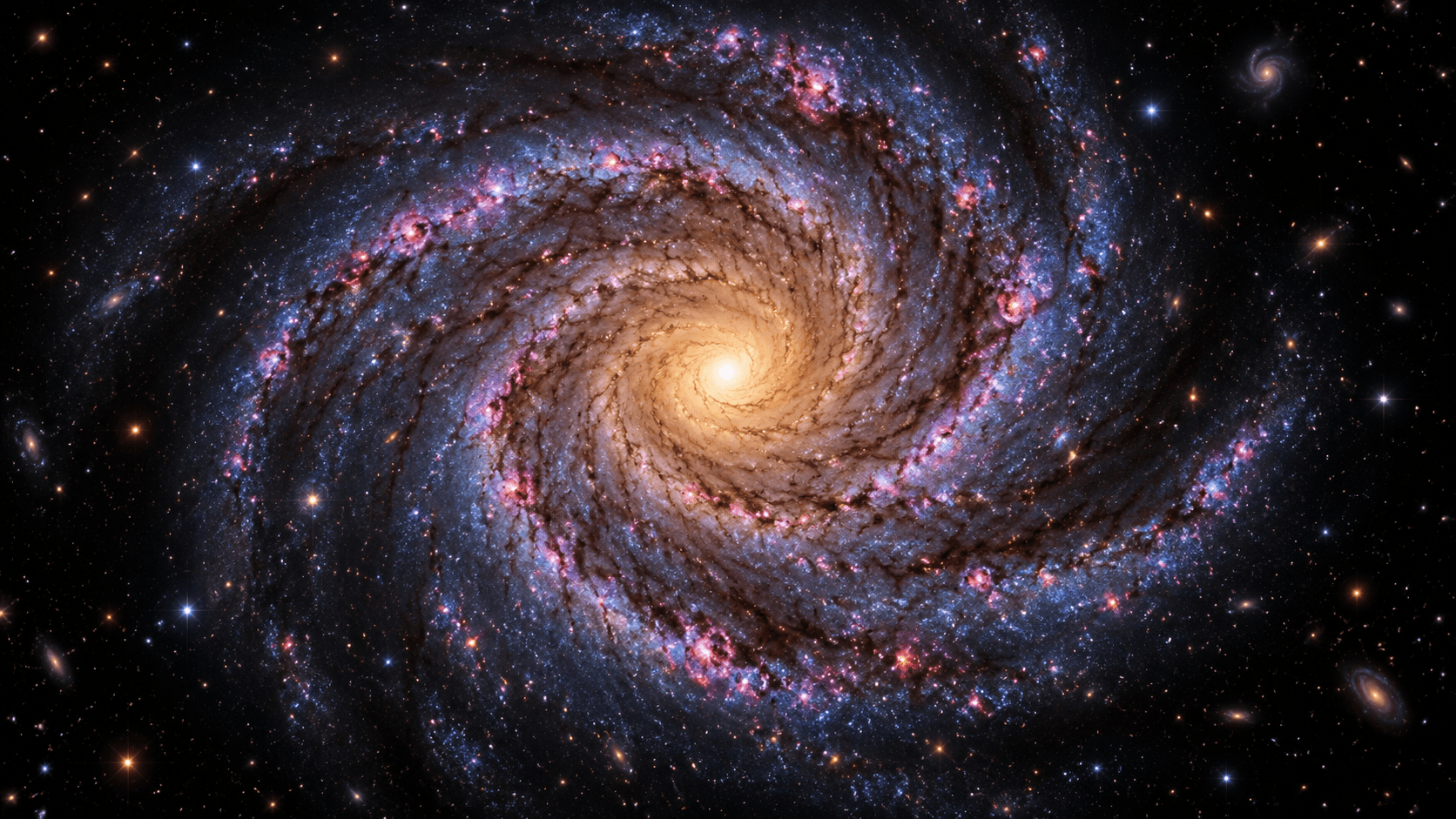
Spiral Galaxies: Facts, Science and Complete Guide
Spiral galaxies — rotating disks with spiral arms, central bulges, gas, dust, and dark-matter halos. Facts, structure, dynamics, and famous examples.
6 min read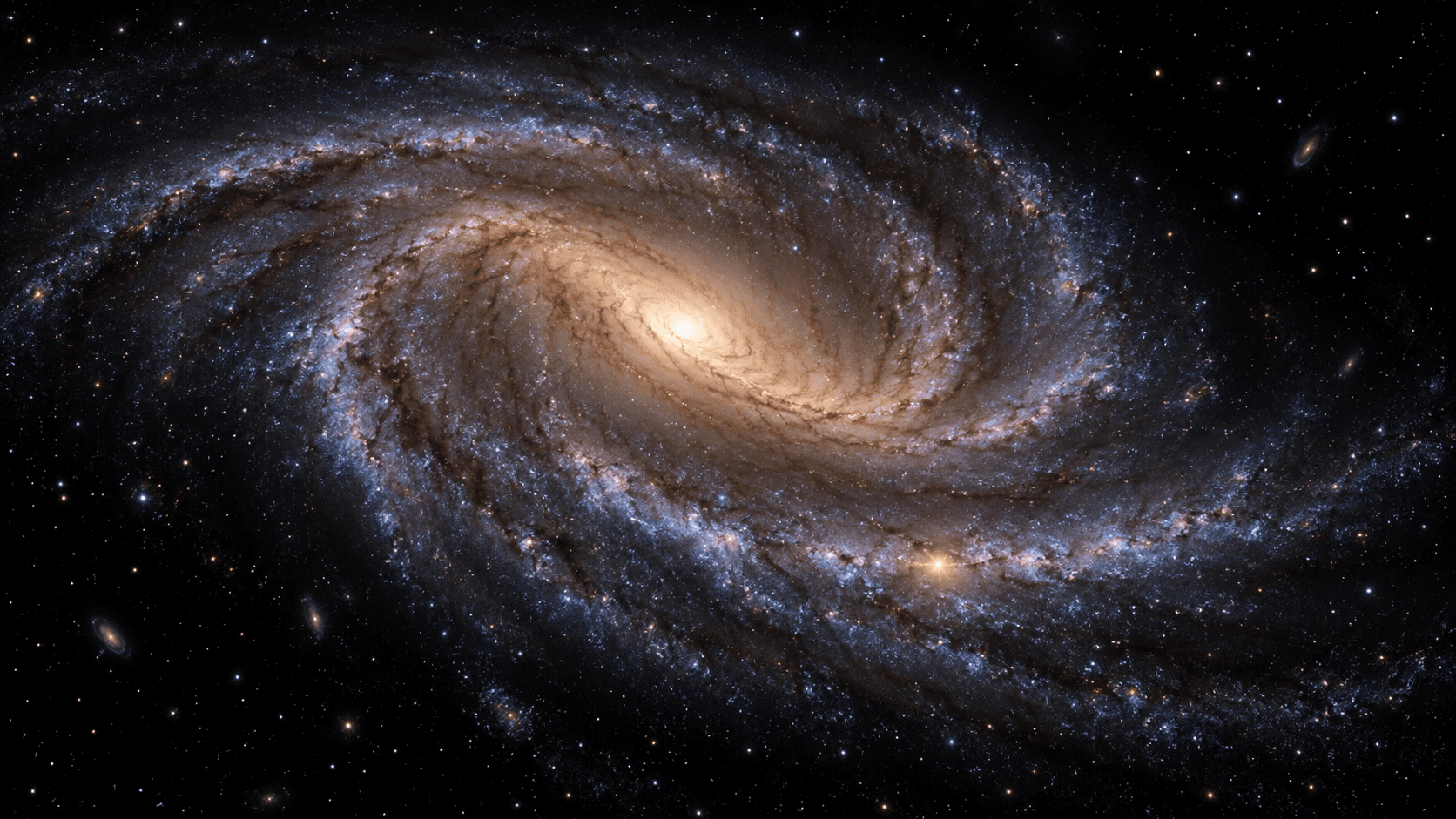
The Milky Way Galaxy: Facts, Science and Complete Guide
Our home galaxy — a barred spiral about 100,000 light-years across with a central bar, spiral arms, supermassive black hole, and dark-matter halo.
5 min read
Stars
Star birth, the main sequence, red giants, white dwarfs, and the Sun.
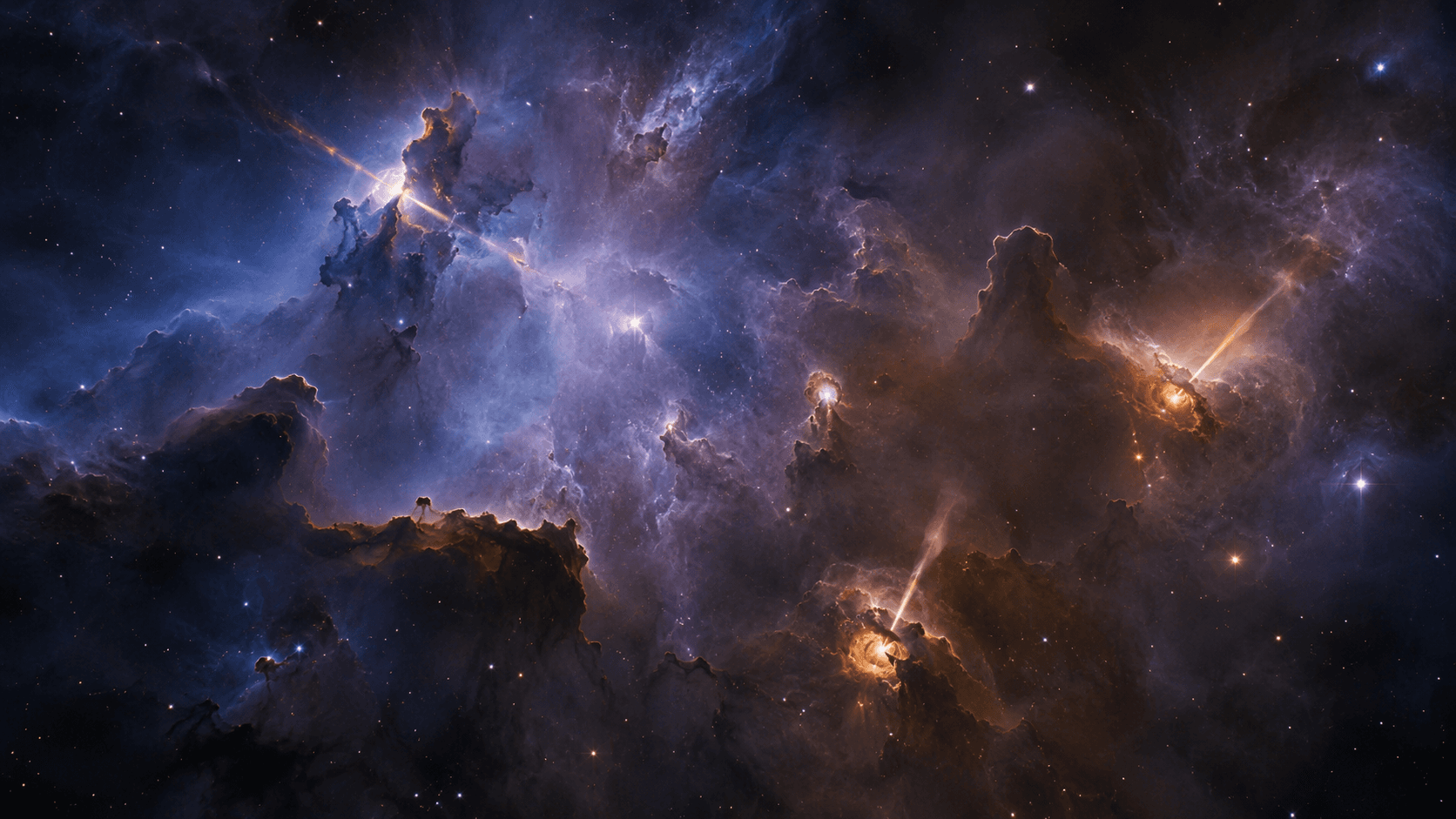
How Stars Are Born in Giant Clouds
Stars form when cold, dense regions inside giant molecular clouds collapse under gravity, creating protostars that gather mass until sustained hydrogen fusion begins.
5 min read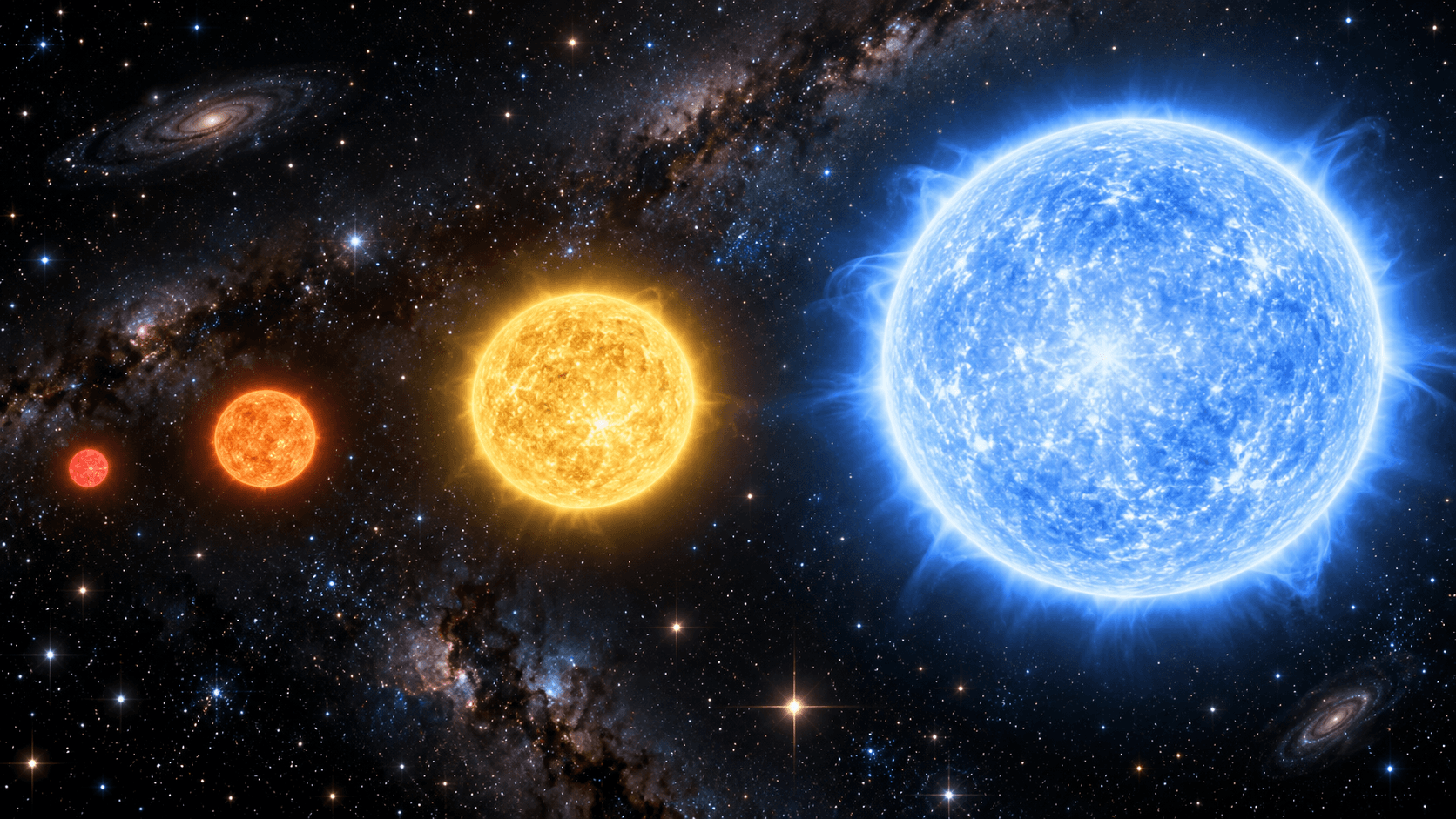
Main-Sequence Stars: Facts, Science and Complete Guide
Main-sequence stars are in the long, stable phase during which hydrogen fusion in the core balances gravity.
4 min read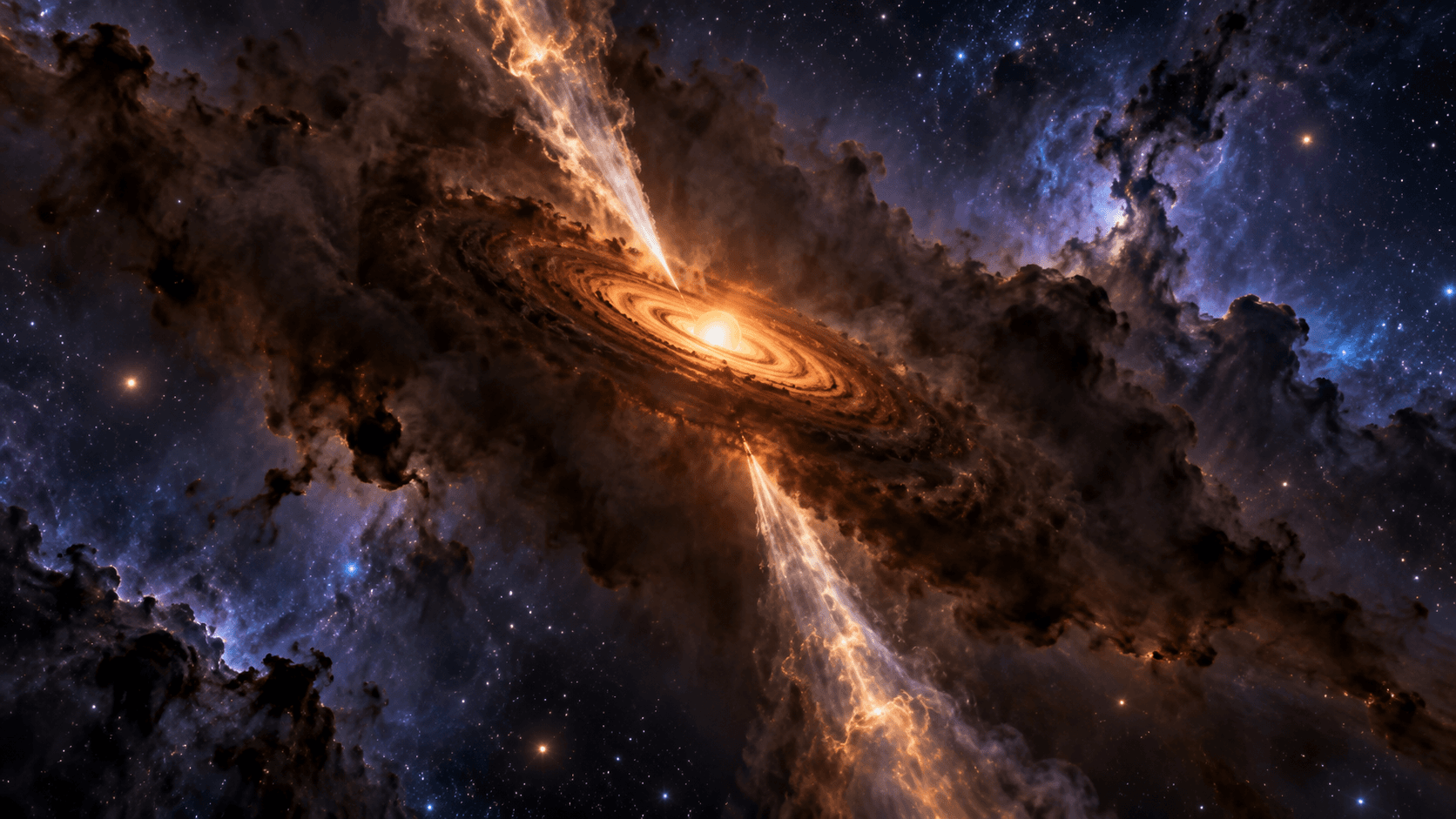
Protostars: Facts, Science and Complete Guide
Protostars are forming stellar objects powered by gravitational contraction and accretion before stable hydrogen fusion dominates the core.
4 min read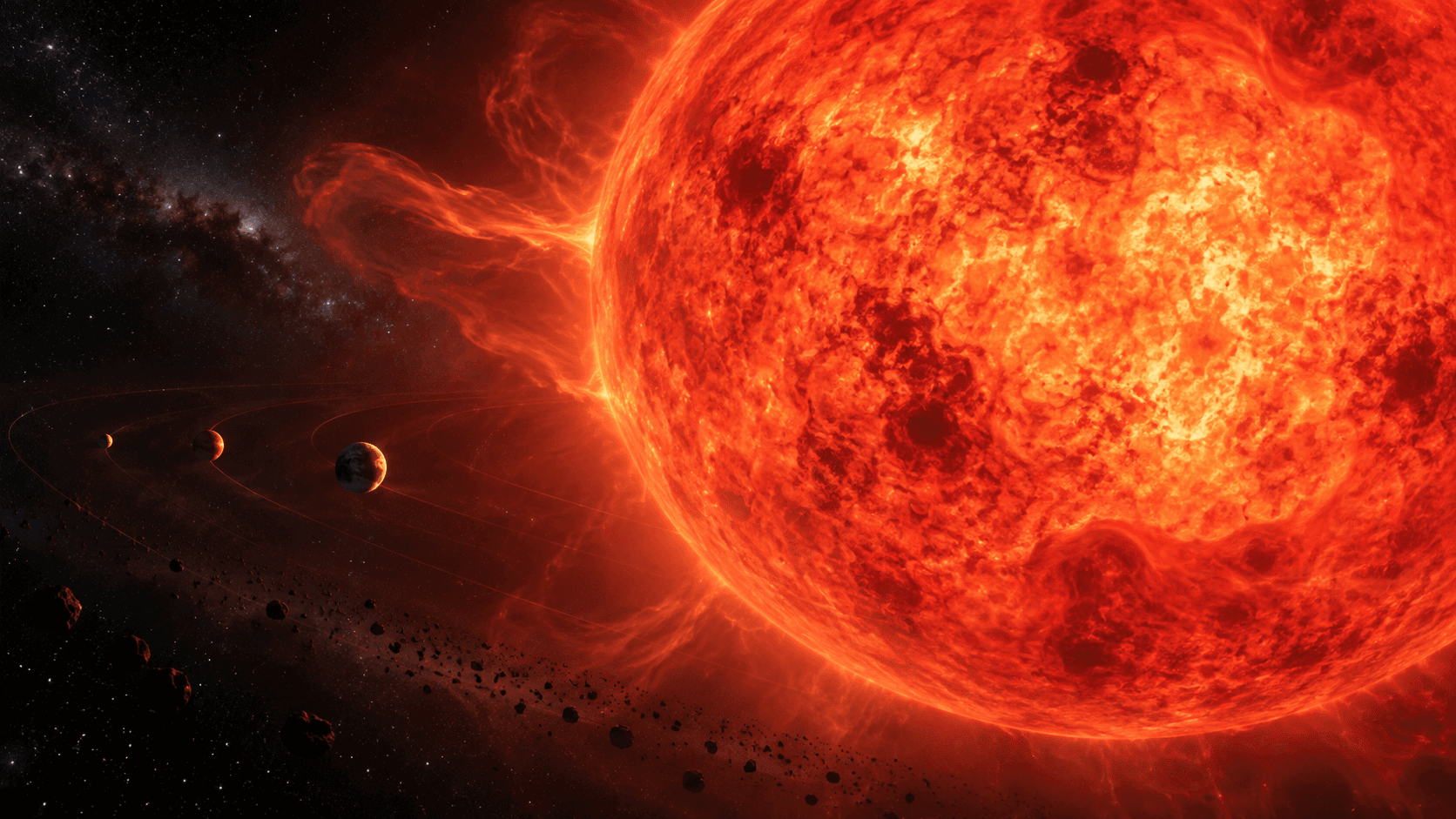
Red Giant Stars: Facts, Science and Complete Guide
A red giant is an evolved star whose outer layers have expanded and cooled after hydrogen in the core became depleted. Sun-like stars enter this phase late in their lives.
4 min read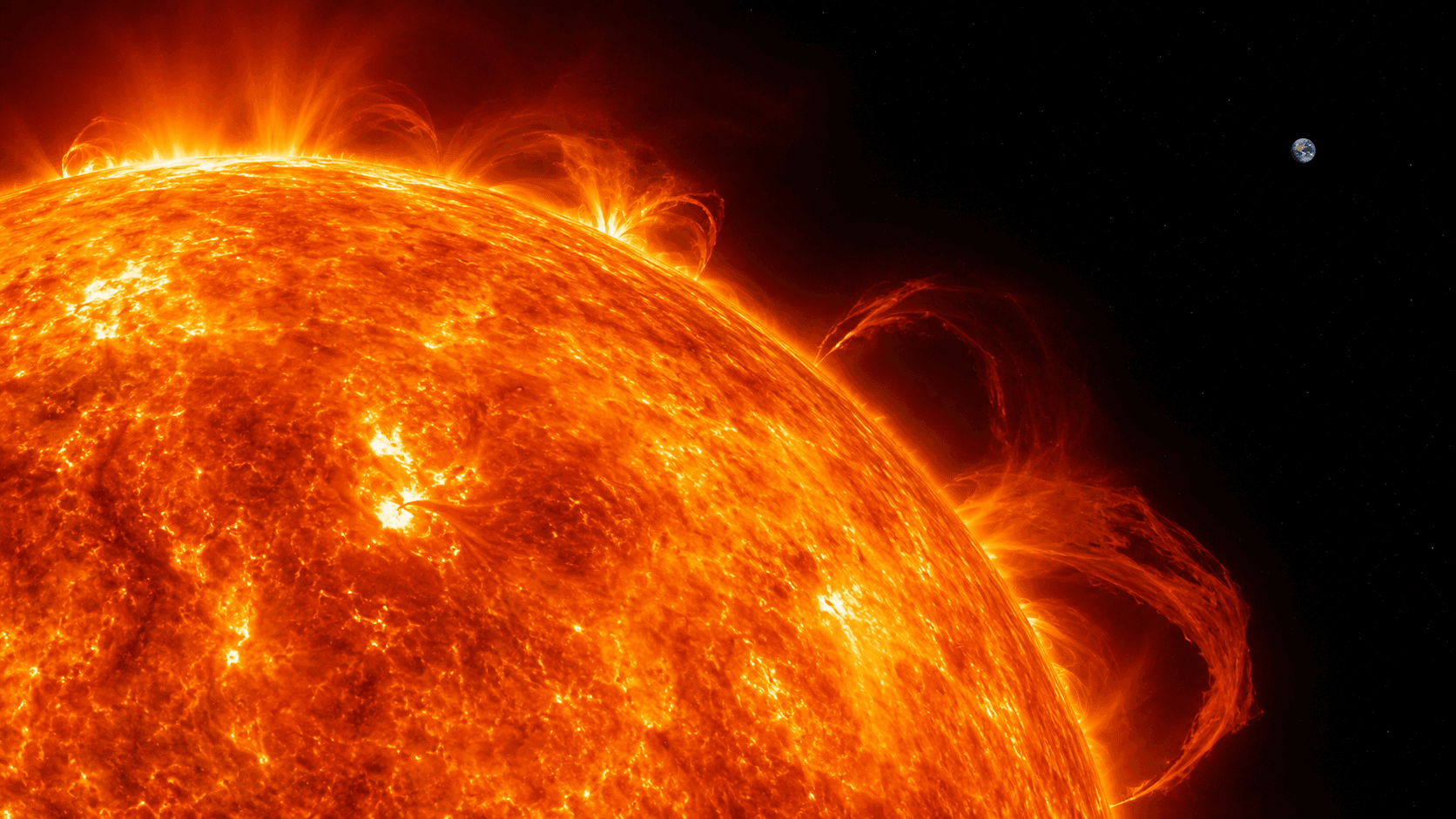
The Sun: Our Closest Star
The Sun is a 4.6-billion-year-old G-type main-sequence star whose light, heat, gravity, and magnetic activity shape the entire Solar System.
4 min read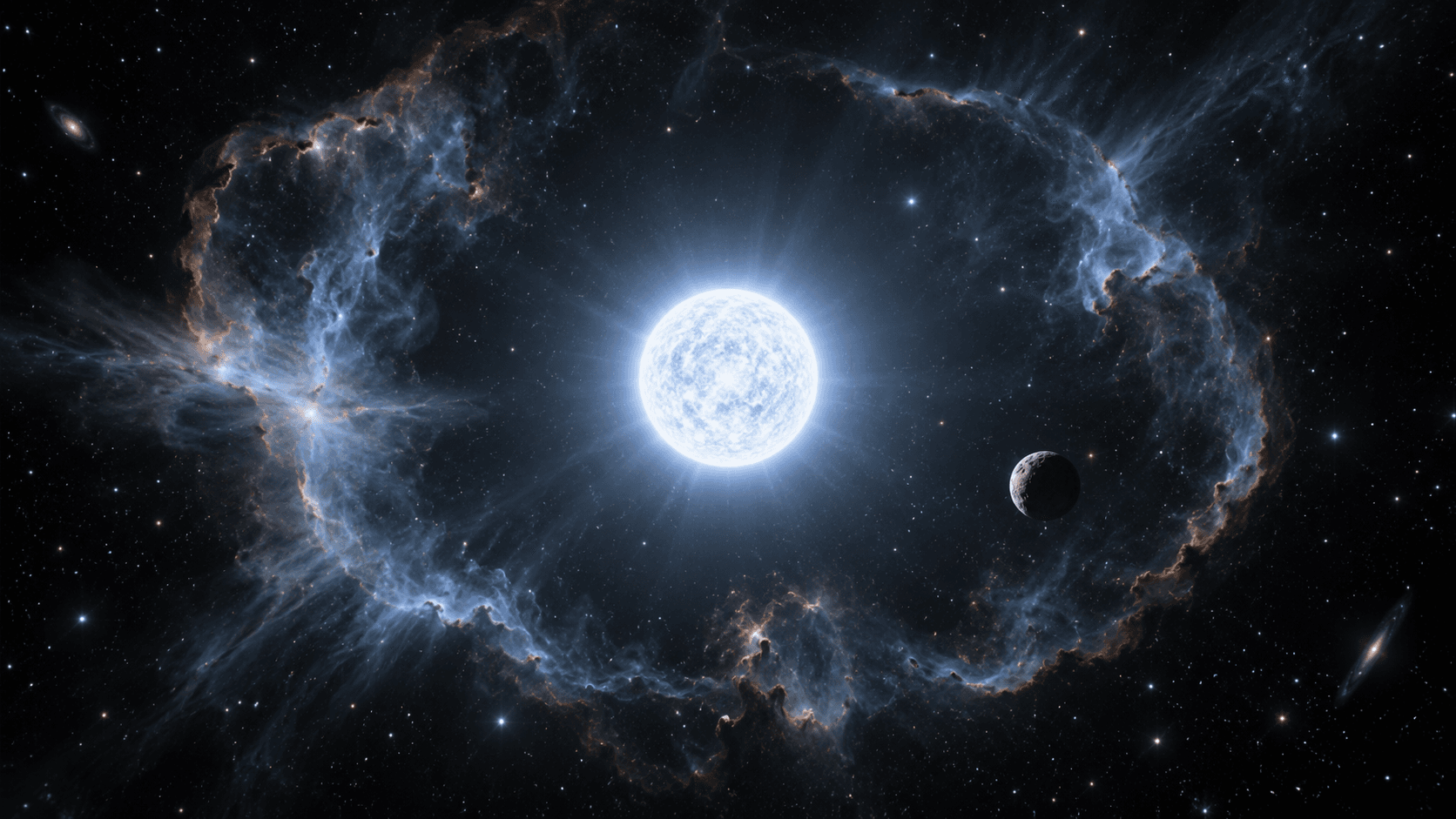
White Dwarf Stars: Facts, Science and Complete Guide
A white dwarf is the hot, dense stellar core left after a low- or intermediate-mass star sheds its outer layers. It is roughly Earth-sized while containing a substantial fraction of the Sun's mass.
4 min read
Nebulae
Star-forming clouds, planetary nebulae, and the wider stellar-nebula family.
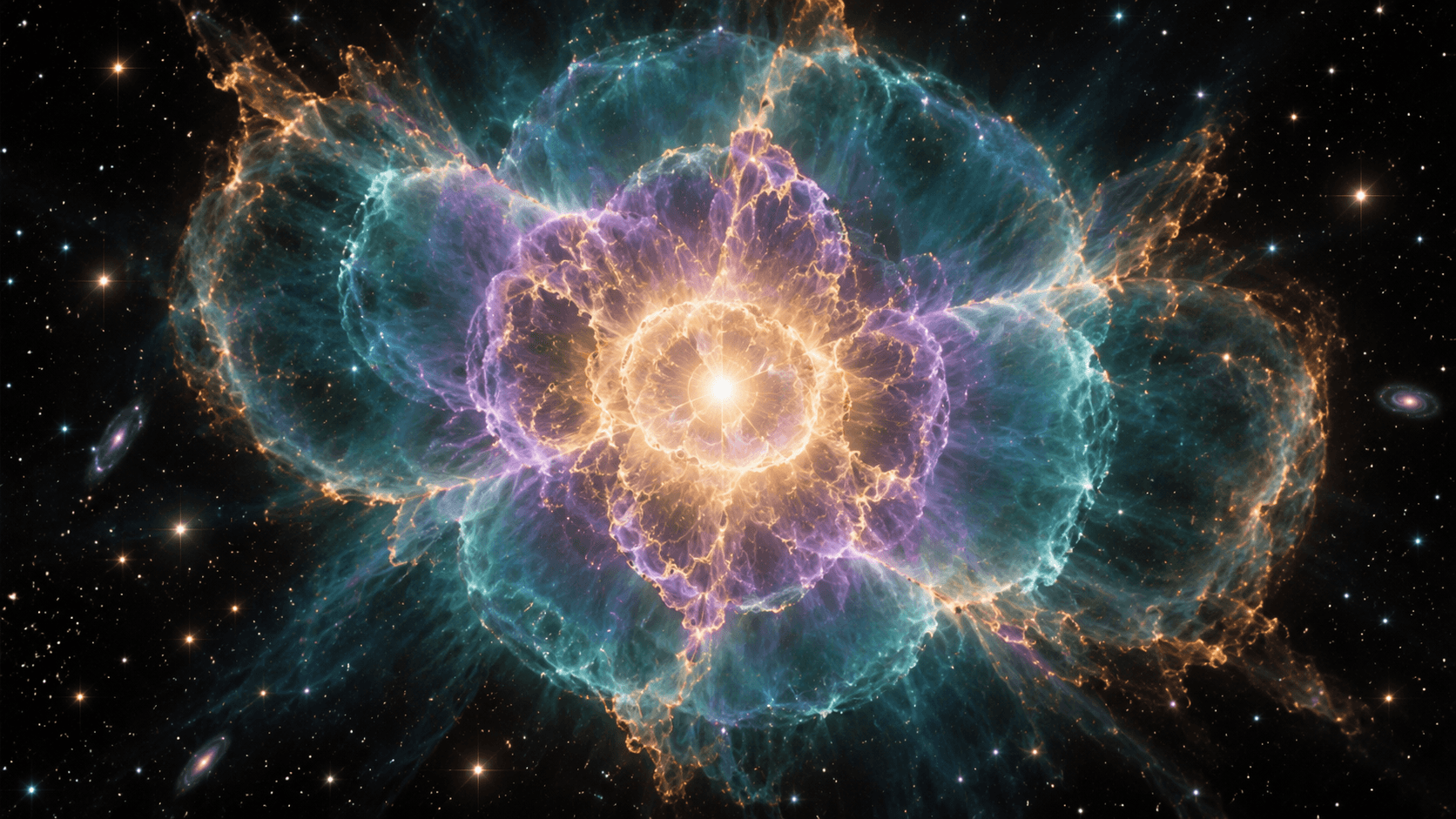
Planetary Nebulae: Facts, Science and Complete Guide
A planetary nebula is a brief glowing shell of ionized gas expelled by an aging low- or intermediate-mass star, surrounding a hot exposed core that will become a white dwarf.
4 min read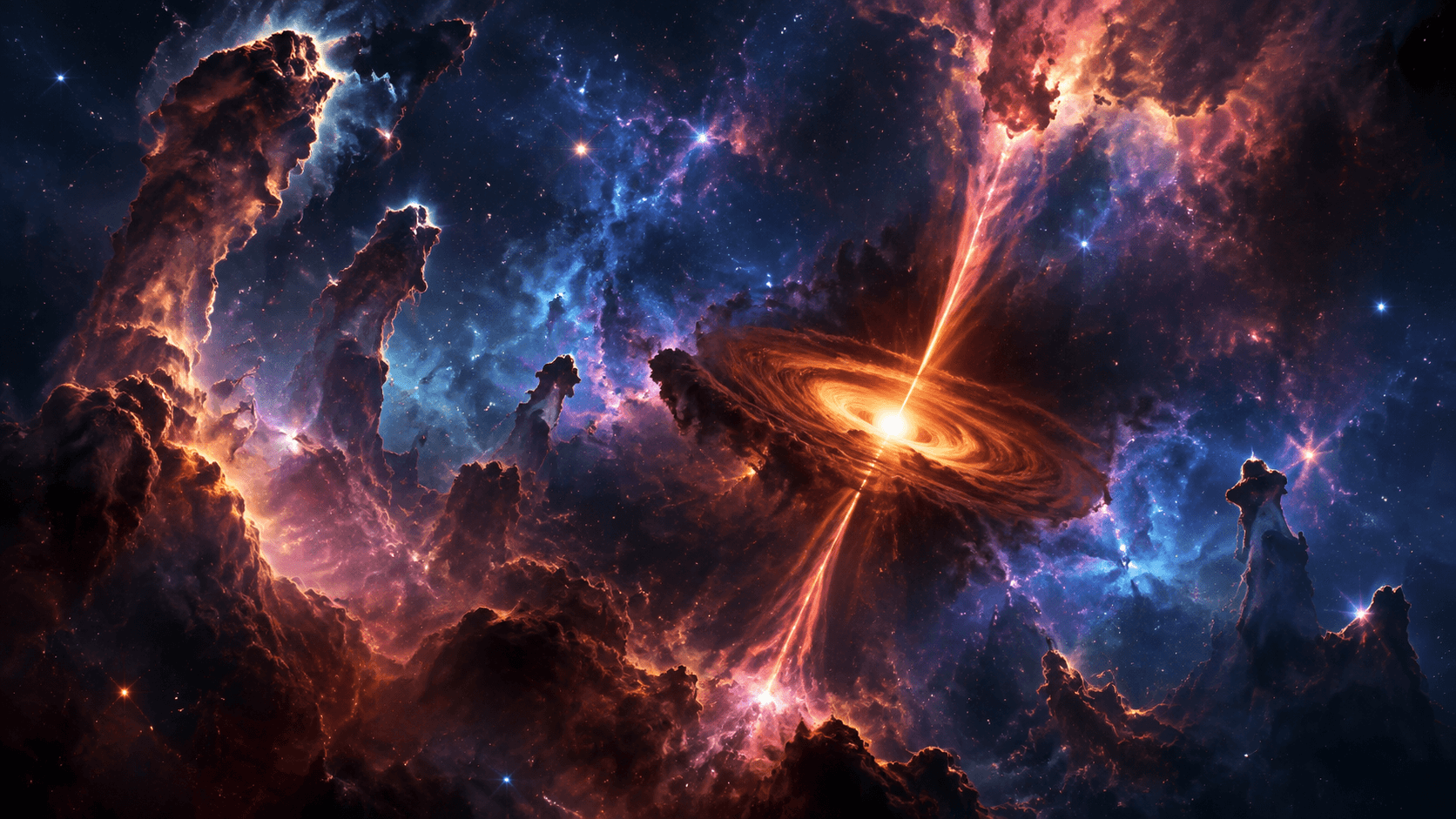
Star Birth: Inside Nebulae
Inside star-forming nebulae, gravity gathers cold gas and dust into dense cores that become protostars, disks, jets, young stars, and sometimes planetary systems.
4 min read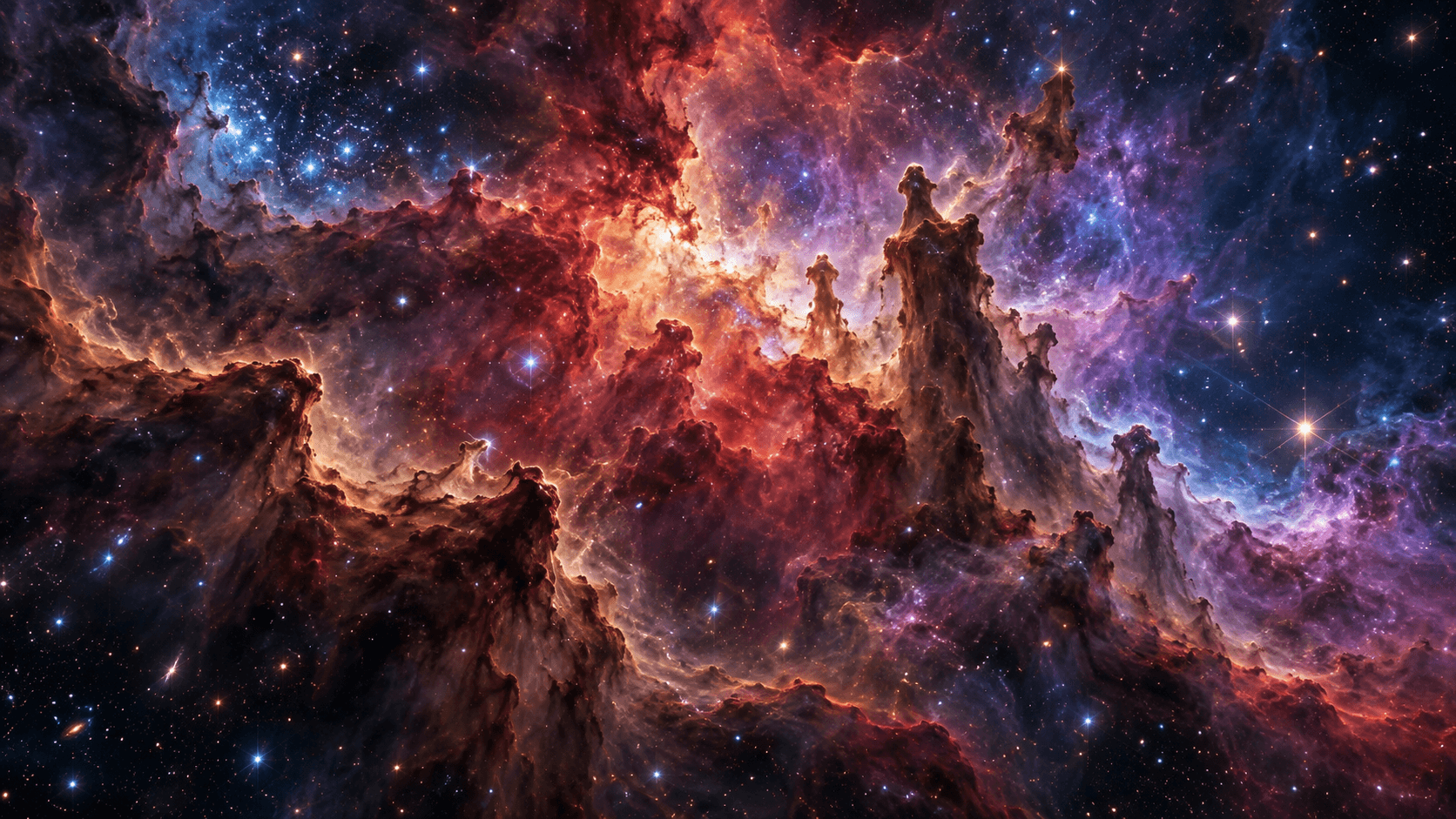
Stellar Nebulae: Facts, Science and Complete Guide
A nebula is a cloud of gas and dust in interstellar space. Nebulae can be sites of star formation, material from dying stars, supernova debris, or clouds lit by nearby stars.
4 min read
Black Holes
Stellar, intermediate, supermassive, and hypothetical primordial black holes.
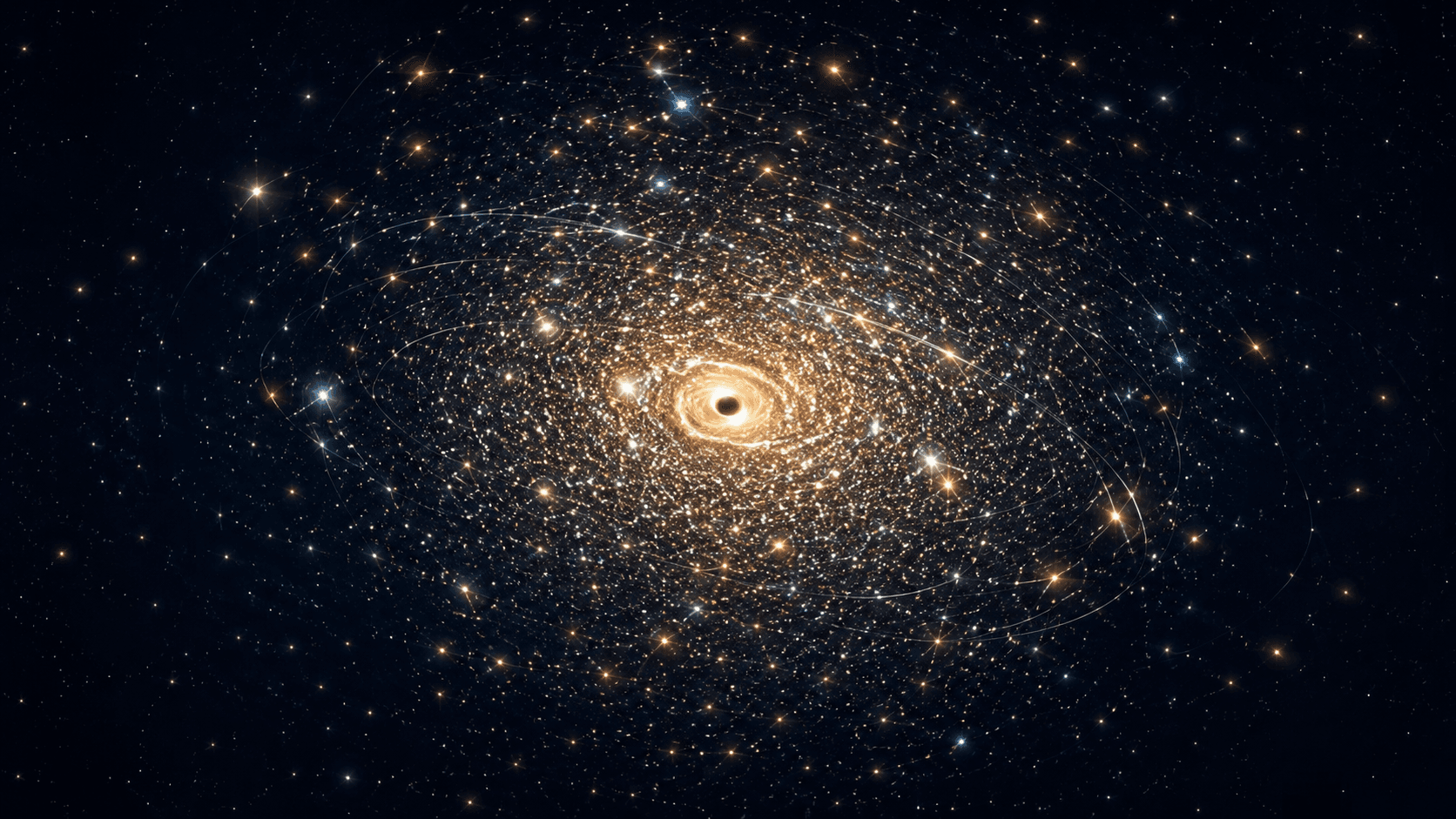
Intermediate-Mass Black Holes: Facts, Science and Complete Guide
Intermediate-mass black holes — proposed objects between stellar-mass and supermassive black holes, spanning roughly hundreds to hundreds of thousands of solar masses.
4 min read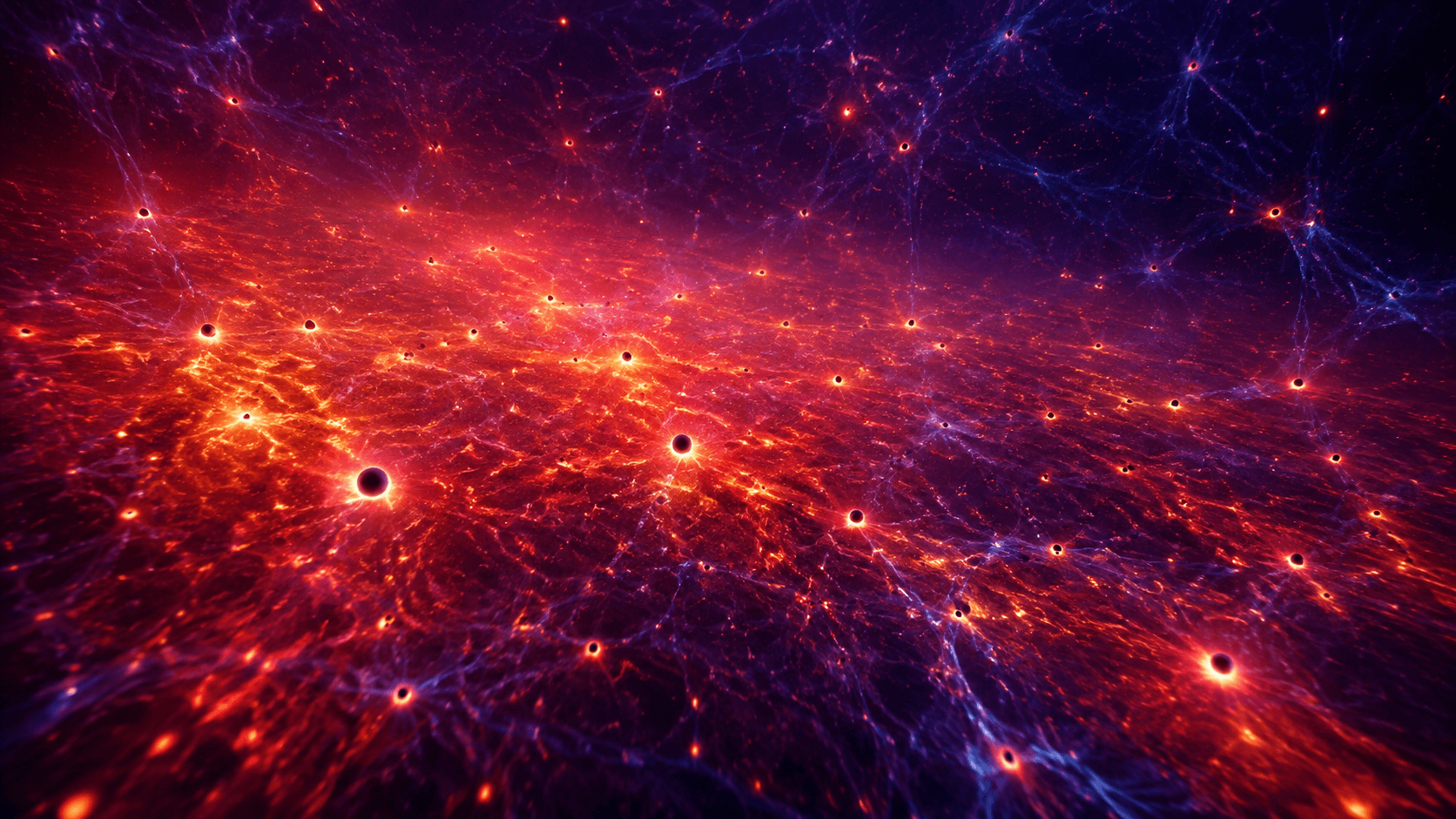
Primordial Black Holes (Hypothetical): Facts, Science and Complete Guide
Primordial black holes are hypothetical objects that may have formed from unusually dense regions in the early universe rather than from collapsing stars.
4 min read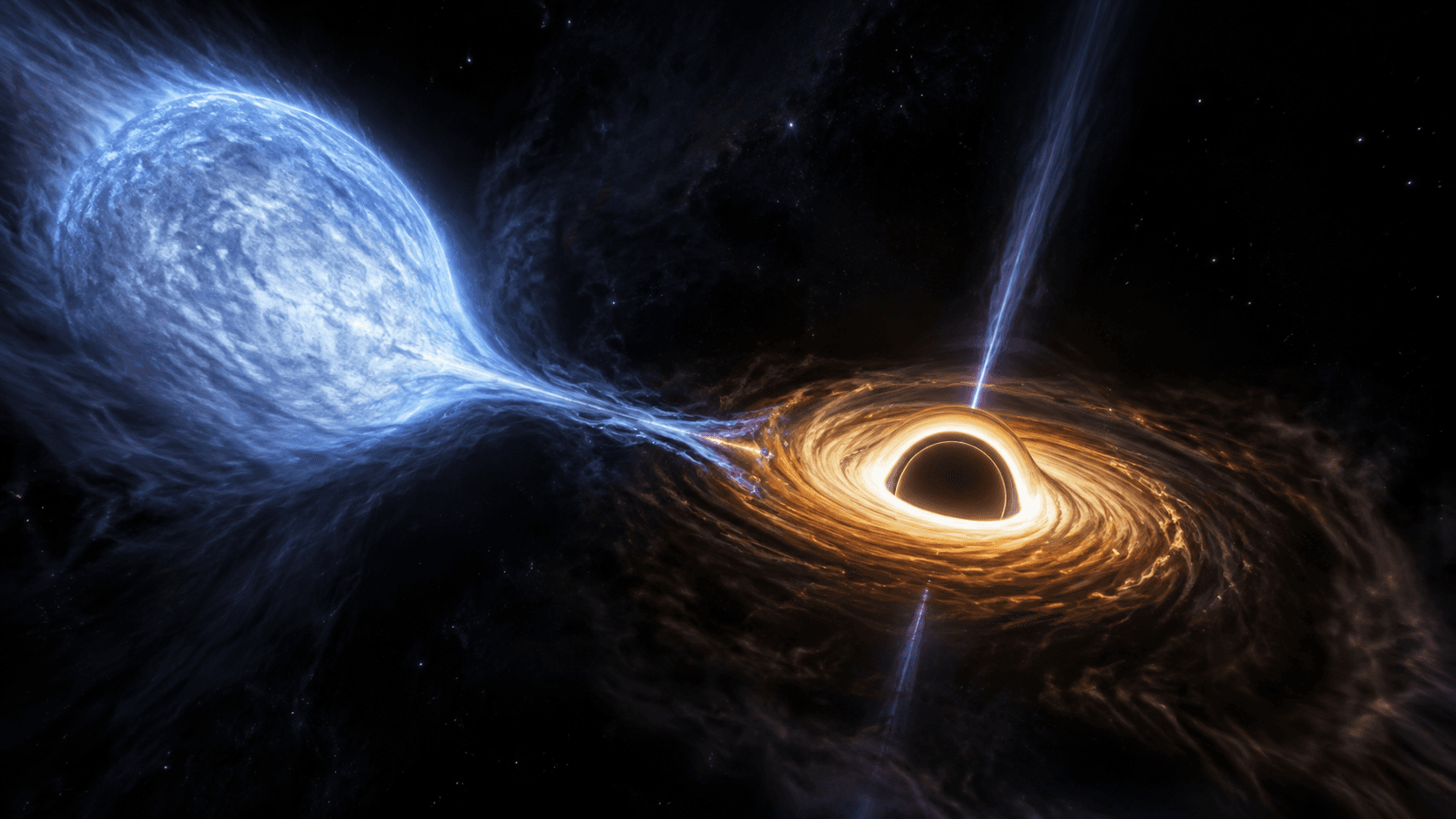
Stellar-Mass Black Holes: Facts, Science and Complete Guide
Stellar-mass black holes — compact remnants of massive stars, containing several to tens of solar masses, detected via X-rays, stellar motion, and gravitational waves.
5 min read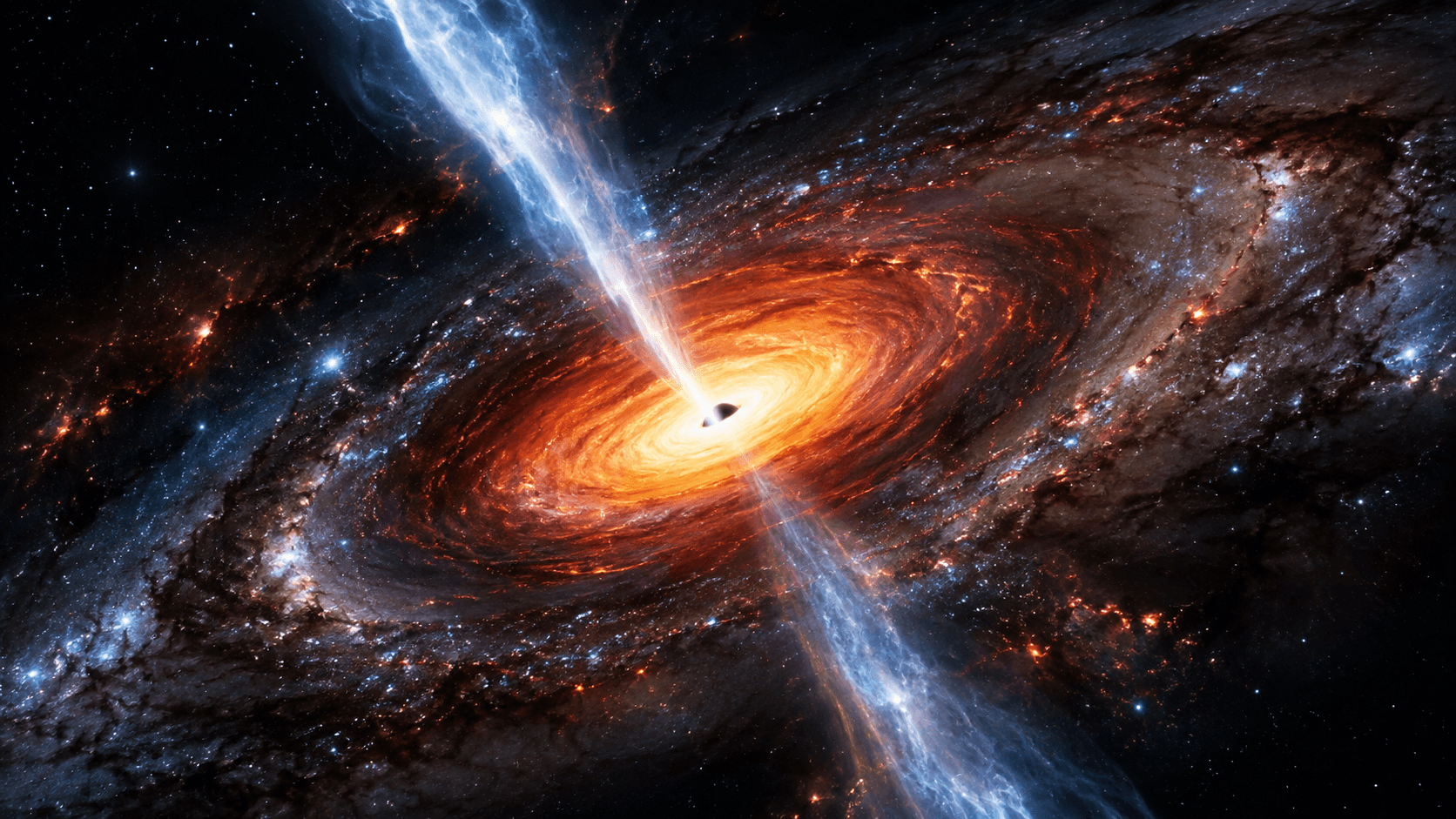
Supermassive Black Holes: Facts, Science and Complete Guide
Supermassive black holes contain hundreds of thousands to billions of solar masses and occupy the centers of most large galaxies, including Sagittarius A* in the Milky Way.
5 min read
Worlds
Habitable environments and ocean worlds beyond Earth.